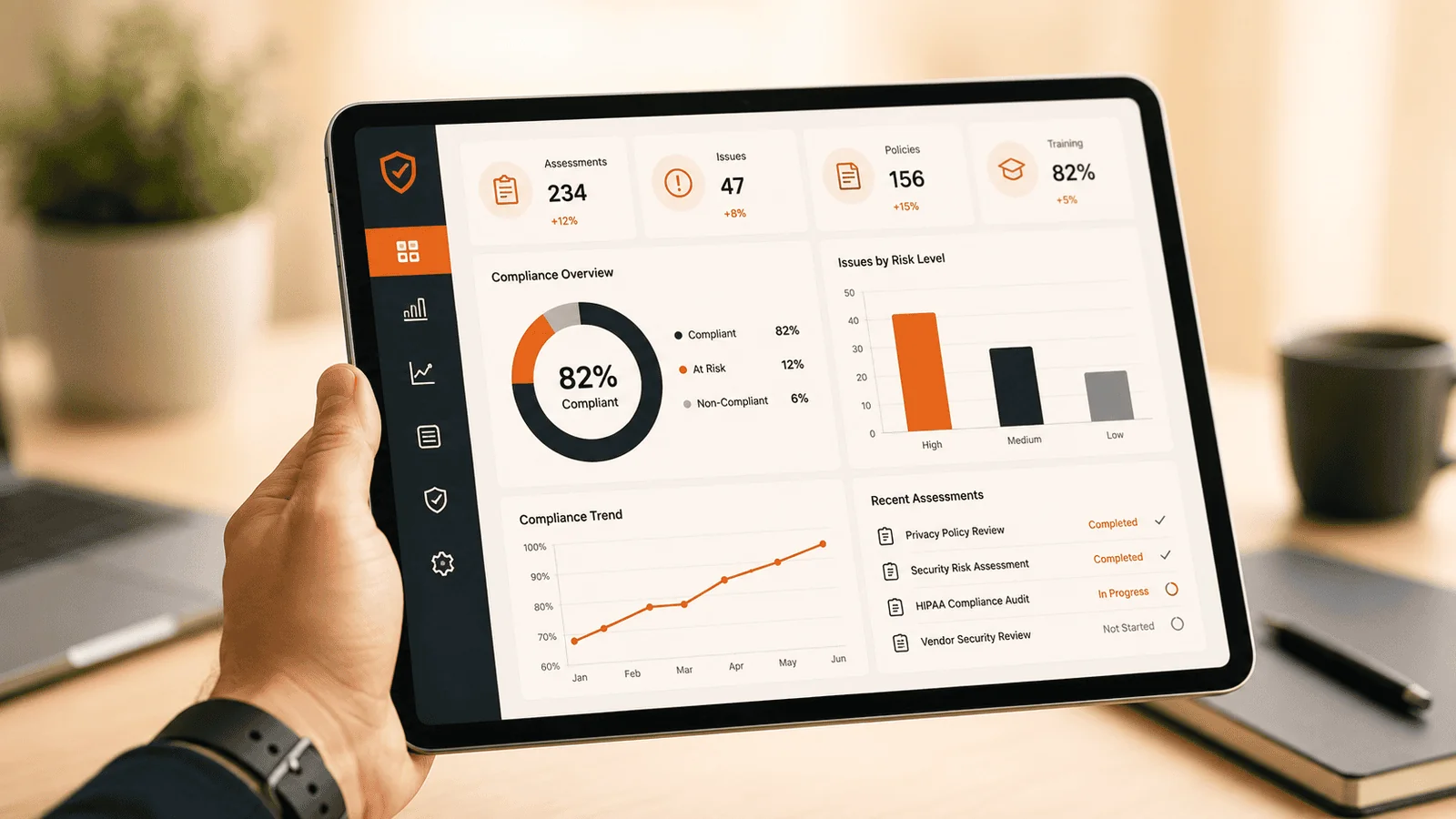

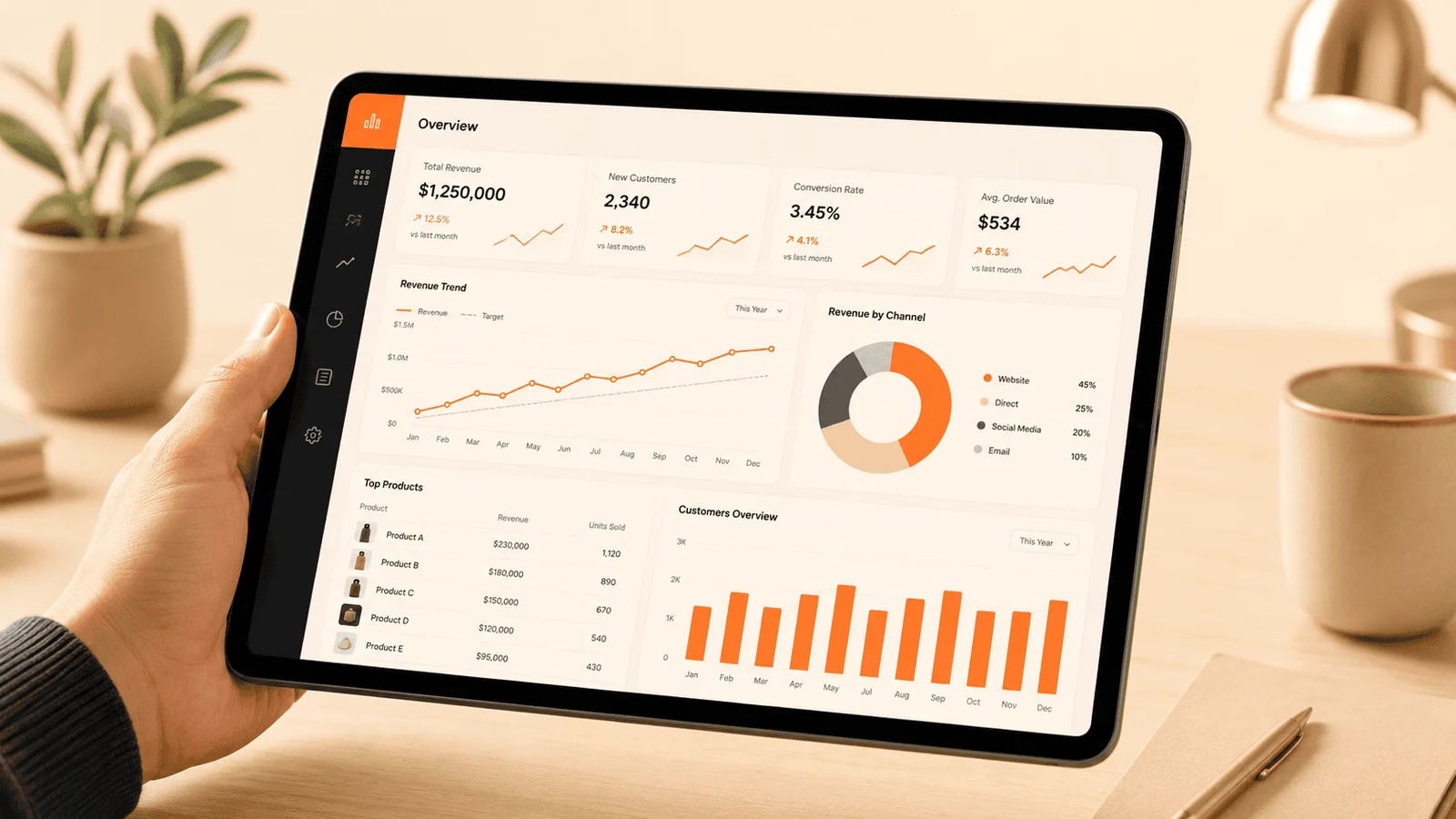
Property management technology has evolved beyond basic tenant record-keeping into something considerably more capable of transforming actual daily operations.
Automated Rent Collection Reduces Administrative Burden
Modern property management software automates rent collection and late payment follow-up, reducing manual administrative work that traditionally consumed considerable property manager time each month.
Predictive Maintenance Reduces Costly Emergency Repairs
Software analyzing maintenance patterns can predict likely equipment failures before they become costly emergencies, shifting property management from purely reactive to proactive maintenance approach.
Tenant Self-Service Portals Improve Both Efficiency and Satisfaction
Tenants able to submit maintenance requests, pay rent, and access documents through self-service portals experience improved convenience while property managers benefit from reduced routine communication volume.
What Proptech Adoption Means for Property Management
Automated collection, predictive maintenance, and tenant self-service together represent operational transformation beyond simple digitization of existing paper-based processes.
Want property management software that transforms your operations? Property Management Software
How Data Integration Across Property Portfolios Improves Decision-Making
Property managers overseeing multiple properties benefit from software consolidating performance data across the entire portfolio, revealing patterns and comparison insight that property-by-property tracking alone doesn't naturally surface.
This consolidated view matters because decisions about resource allocation, pricing strategy, and maintenance investment benefit from portfolio-wide context that isolated, property-specific tracking makes considerably harder to develop accurately.
Why Virtual Tour Technology Has Changed the Leasing Process
Prospective tenants able to tour properties virtually before an in-person visit represents a meaningful shift in leasing process efficiency, reducing wasted time for both prospects and leasing staff on unsuitable matches.
How Smart Building Technology Integration Adds Operational Value
Properties equipped with smart building technology \— connected thermostats, access systems \— integrated with management software provide operational efficiency and tenant convenience beyond traditional building systems alone.
Why Financial Reporting Automation Reduces Owner Communication Burden
Automated, accessible financial reporting for property owners reduces the manual reporting burden property managers traditionally carried, while providing owners more timely visibility into their investment performance.
A Reasonable Way to Evaluate Proptech Adoption for a Specific Property Management Business
Identifying which specific operational pain points — collection delays, maintenance response time, owner communication — matter most for your business reveals which proptech capabilities deserve priority investment.
How Tenant Screening Automation Improves Both Speed and Consistency
Automated tenant screening, checking credit and background information systematically, produces faster decisions and more consistent application of screening criteria than manual review processes typically achieve.
This consistency matters beyond pure speed, since manual screening processes are more susceptible to inconsistent application that can create both fair housing compliance risk and quality variation in tenant selection outcomes.
Why Vacancy Marketing Automation Reduces Time-to-Lease
Software automating listing syndication across multiple rental platforms simultaneously reduces the manual time property managers traditionally spent on multi-platform marketing coordination for vacant units.
How Lease Renewal Automation Improves Retention Outcomes
Automated, timely lease renewal outreach and streamlined renewal processing reduces the administrative friction that sometimes causes tenants to consider moving simply due to renewal process inconvenience rather than dissatisfaction.
Why Energy Management Technology Adds Value for Both Owners and Tenants
Smart energy management systems integrated with property software can reduce utility costs while providing tenants visibility and control over their own consumption, a mutually beneficial capability increasingly expected.
A Reasonable Way to Sequence Proptech Adoption for a Growing Property Management Business
Starting with core financial and communication automation before adding more sophisticated predictive or smart building capability produces a more manageable adoption sequence than attempting comprehensive transformation simultaneously.
How Mobile App Access Improves Field Staff Efficiency
Property maintenance staff equipped with mobile access to work orders and property details complete tasks more efficiently than relying on paper-based or office-check-in processes.
Why Insurance and Compliance Documentation Automation Reduces Risk
Software tracking insurance renewal dates and compliance documentation requirements automatically reduces the real risk of costly lapses that manual tracking systems are more prone to missing.
How Resident Communication Platforms Improve Community Engagement
Integrated communication tools for community announcements and resident engagement build stronger community feeling than relying purely on individual, transactional interactions between management and tenants.
How Digital Lease Signing Reduces Leasing Process Friction
Digital lease signing eliminates the coordination friction of in-person or paper-based lease execution, speeding up the leasing process for both prospective tenants and property staff.
Why Package and Delivery Management Technology Addresses a Growing Operational Need
Growing package delivery volume has made dedicated package management technology increasingly valuable for multi-unit properties dealing with this operational challenge at meaningful scale.
Why Amenity Booking Systems Improve Resident Experience at Multi-Amenity Properties
Properties offering multiple shared amenities benefit from digital booking systems that prevent double-booking and provide clear visibility into availability for residents.
Key Takeaways
- Automated rent collection reduces administrative burden that traditionally consumed considerable manager time.
- Predictive maintenance shifts property management from purely reactive to proactive, reducing costly emergencies.
- Tenant self-service portals improve both tenant convenience and manager efficiency through reduced routine communication.
- Portfolio-wide data consolidation reveals patterns that property-by-property tracking alone doesn't naturally surface.
- Virtual tour technology reduces wasted time for both prospects and leasing staff on unsuitable property matches.
Frequently Asked Questions
Does automated rent collection reduce administrative work?
Yes — it reduces manual work that traditionally consumed considerable property manager time each month.
Can predictive maintenance prevent costly emergency repairs?
Yes — analyzing maintenance patterns can predict likely failures before they become costly emergencies.
Does tenant self-service reduce property manager workload?
Yes — tenants handling routine tasks independently reduces the routine communication volume managers handle.
Does portfolio-wide data view help multi-property managers?
Yes — it reveals patterns and comparison insight that isolated property-by-property tracking doesn't naturally surface.
How should we prioritize proptech investment for our business?
Identifying which specific operational pain points matter most reveals which capabilities deserve priority investment.
Does automated tenant screening improve consistency, not just speed?
Yes — it reduces the inconsistent application that manual review processes are more susceptible to.
Does vacancy marketing automation reduce time-to-lease?
Yes — automated multi-platform syndication reduces manual coordination time significantly.
Does lease renewal automation improve tenant retention?
Yes — reducing renewal friction prevents tenants from considering moves due to inconvenience alone.
Does energy management technology add value for property management?
Yes — it reduces costs while giving tenants visibility and control, a mutually beneficial capability.
Does mobile access improve maintenance staff efficiency?
Yes — staff equipped with mobile work order access complete tasks more efficiently than paper-based processes.
Does automated compliance tracking reduce risk for property managers?
Yes — it reduces the risk of costly lapses that manual tracking systems are more prone to missing.
Do resident communication platforms improve community engagement?
Yes — integrated tools build stronger community feeling than purely transactional interactions.
Does digital lease signing speed up leasing?
Yes — it eliminates coordination friction of in-person or paper-based execution.
Is package management technology increasingly valuable for properties?
Yes — growing delivery volume has made this a meaningful operational challenge worth addressing.
Do amenity booking systems improve resident experience?
Yes — they prevent double-booking and provide clear availability visibility for shared amenities.
Should property management software integrate with accounting systems?
Yes, ideally — integration reduces double-entry and improves financial reporting accuracy.
Should smaller property management operations invest in proptech too?
Yes, selectively — even smaller operations benefit from core automation without needing every advanced feature.
Does tenant data security matter for property management software choice?
Yes, significantly — handling sensitive tenant information requires careful vendor security evaluation.
Should we pilot new proptech with a subset of properties before full portfolio rollout?
Yes — piloting surfaces issues at manageable scale before affecting the entire portfolio.
Does proptech adoption require significant staff retraining?
Some, yes — though intuitive modern platforms typically require less retraining than older systems did.
Should property managers evaluate proptech vendor customer support quality?
Yes — responsive support matters considerably when operational issues need urgent resolution.
Does data migration from legacy systems pose a challenge when adopting proptech?
Often yes — careful planning for migrating existing tenant and property data prevents disruption.
Should we involve tenants in proptech feedback before full deployment?
Yes — tenant input on usability helps ensure new tools improve their experience.
Should we compare total cost of ownership across proptech vendors, not just licensing?
Yes — implementation, training, and integration costs all factor into total investment.
Does proptech help with regulatory compliance tracking?
Yes, often — automated tracking of inspection dates and required disclosures reduces compliance risk.
Is proptech adoption reversible if a specific tool doesn't work out?
Generally yes, though switching costs vary — prioritizing data export capability during selection eases any future transition.
Is it worth attending industry conferences to stay current on proptech trends?
Yes, often — direct exposure to new tools and peer experiences provides practical insight beyond marketing materials.