

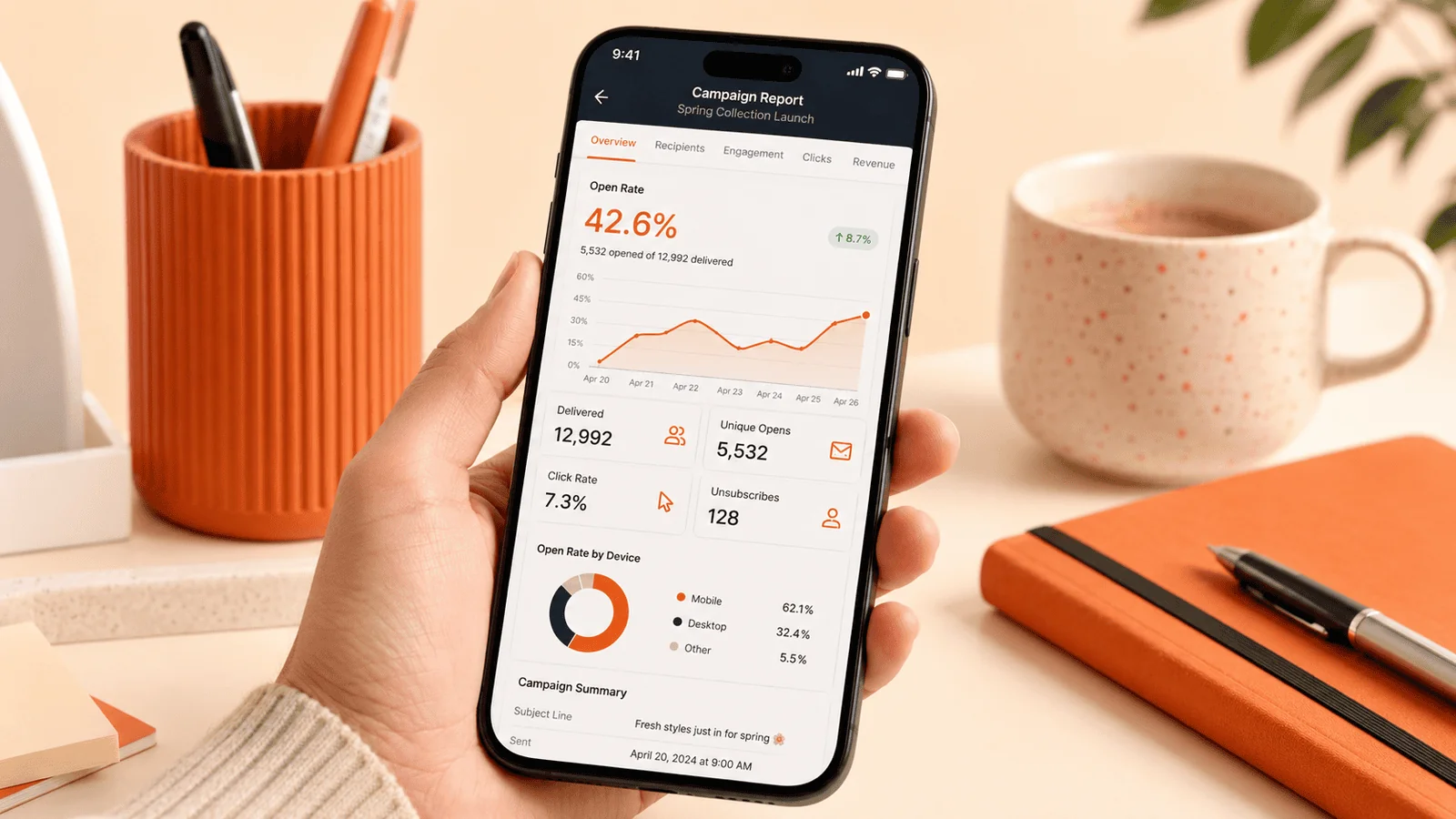
Marketing budget overwhelmingly targets new customer acquisition, leaving existing customer marketing as a underused channel with real, often overlooked revenue potential.
Existing Customers Convert at Considerably Higher Rates
Customers who have already purchased once convert on subsequent offers at considerably higher rates than cold prospects, making existing customer marketing more efficient per dollar spent than pure acquisition focus.
Cross-Sell and Upsell Opportunities Often Go Unexplored
Many businesses have relevant additional products or services existing customers would value, yet fail to actively market these opportunities, leaving real revenue on the table.
Existing Customer Marketing Strengthens Retention Alongside Revenue
Thoughtful ongoing engagement with existing customers, beyond pure transactional communication, strengthens retention while simultaneously creating additional revenue opportunity.
What a Balanced Marketing Budget Looks Like
Allocating deliberate budget and attention to existing customer marketing, alongside acquisition-focused spending, captures revenue opportunity that pure acquisition focus alone consistently leaves unrealized.
Want to explore marketing opportunities within your existing customer base? Digital Marketing Strategy
How to Identify Cross-Sell Opportunities Within Your Existing Customer Base
Analyzing actual purchase patterns to identify which additional products or services customers with similar profiles have purchased together reveals data-driven cross-sell opportunities rather than relying purely on intuition.
This data-driven approach matters because intuition about what customers might want next often misses actual purchase pattern insight that systematic analysis of your own customer data reveals more reliably.
Why Segmentation Improves Existing Customer Marketing Effectiveness
Segmenting existing customers by purchase history and engagement level, rather than treating the entire base uniformly, produces more relevant, effective marketing than one-size-fits-all messaging.
How Loyalty Programs Can Formalize Existing Customer Marketing Investment
A well-designed loyalty program provides structured framework for ongoing existing customer engagement, formalizing what might otherwise remain ad-hoc, inconsistent outreach.
Why Existing Customer Feedback Should Inform Future Product and Marketing Decisions
Existing customers provide valuable insight into what additional offerings would resonate, making their feedback a valuable input for both product development and marketing planning.
A Reasonable Way to Measure Whether Existing Customer Marketing Investment Is Working
Tracking repeat purchase rate and average customer lifetime value over time reveals whether existing customer marketing investment is producing measurable business impact.
How Personalization Deepens Existing Customer Engagement Beyond Generic Outreach
Existing customer marketing benefits from personalization based on actual purchase history and preferences, producing considerably more relevant communication than generic broadcast messaging sent uniformly to the entire customer base.
This personalization advantage matters because businesses already possess rich data about existing customers that new prospect marketing simply doesn't have access to, making personalized existing customer outreach more achievable and effective.
Why Win-Back Campaigns Represent a Underused Existing Customer Marketing Tactic
Customers who have lapsed but previously purchased represent a valuable, often overlooked audience for targeted win-back campaigns that can be more efficient than pursuing entirely new prospect acquisition.
How Customer Milestone Recognition Builds Deeper Relationship Value
Acknowledging customer milestones — anniversary of first purchase, cumulative spending achievement — builds relationship depth that pure transactional marketing communication doesn't achieve.
Why Existing Customer Referral Requests Complement Direct Marketing Efforts
Existing customer marketing pairs well with referral program promotion, since satisfied existing customers represent the most credible source for new customer referrals.
A Reasonable Way to Balance Existing Customer Marketing Frequency Against Fatigue Risk
Monitoring engagement and unsubscribe signals from existing customer marketing helps calibrate appropriate frequency, avoiding the fatigue risk of over-communicating with an audience businesses sometimes over-market to given easier access.
Why Post-Purchase Follow-Up Sequences Set the Stage for Future Marketing
A thoughtful post-purchase follow-up sequence, beyond a simple receipt confirmation, builds the relationship foundation that later existing customer marketing efforts depend on.
How Customer Lifecycle Stage Should Inform Marketing Message Timing
Recognizing where a customer sits in their overall lifecycle — new, established, at-risk —ï¸ allows for more relevant, timely marketing than uniform treatment regardless of relationship stage.
How Customer Advocacy Programs Extend Beyond Simple Referral Requests
Formal customer advocacy programs, offering ongoing recognition and involvement beyond a single transactional referral ask, build deeper engagement with your most enthusiastic customers.
Why Existing Customer Data Should Inform New Product Development Priority
Insights gathered from existing customer behavior and feedback should inform which new products or features get developed next, creating a feedback loop between existing customer marketing and product strategy.
Why Existing Customer Marketing Metrics Deserve Their Own Dashboard Space
Tracking existing customer marketing performance in a dedicated dashboard section, separate from pure acquisition metrics, ensures this channel receives appropriate ongoing visibility and attention.
Key Takeaways
- Existing customers convert on subsequent offers at considerably higher rates than cold prospects.
- Many businesses have relevant additional offerings existing customers would value but fail to actively market them.
- Thoughtful ongoing engagement strengthens retention while simultaneously creating additional revenue opportunity.
- Analyzing actual purchase patterns reveals data-driven cross-sell opportunities more reliably than intuition alone.
- Segmenting existing customers by purchase history produces more relevant marketing than uniform messaging.
Frequently Asked Questions
Do existing customers really convert better than new prospects?
Yes — customers who have already purchased once convert on subsequent offers at considerably higher rates.
How can we identify cross-sell opportunities within our customer base?
Analyzing actual purchase patterns reveals data-driven opportunities more reliably than relying on intuition alone.
Does segmenting existing customers improve marketing effectiveness?
Yes — segmentation by purchase history produces more relevant, effective marketing than uniform messaging.
Can loyalty programs formalize existing customer marketing?
Yes — a well-designed program provides structured framework for what might otherwise be ad-hoc outreach.
How should we measure existing customer marketing success?
Tracking repeat purchase rate and average customer lifetime value reveals measurable business impact.
Does personalization improve existing customer marketing?
Yes — businesses have rich data about existing customers new prospect marketing lacks.
Are win-back campaigns a underused tactic?
Yes — lapsed customers represent a valuable audience often overlooked relative to new acquisition.
Does milestone recognition build deeper customer relationships?
Yes — it builds relationship depth beyond pure transactional communication.
Should referral requests be paired with existing customer marketing?
Yes — satisfied existing customers are the most credible source for referrals.
Does post-purchase follow-up matter for future marketing success?
Yes — it builds the relationship foundation later marketing efforts depend on.
Should marketing message timing reflect customer lifecycle stage?
Yes — recognizing lifecycle stage allows for more relevant, timely marketing.
Do formal customer advocacy programs offer more than simple referral requests?
Yes — ongoing recognition and involvement build deeper engagement than a single transactional ask.
Should existing customer data inform new product development?
Yes — this creates a feedback loop between marketing insight and product strategy.
Should existing customer marketing metrics have their own dashboard?
Yes — dedicated tracking ensures this channel receives appropriate ongoing visibility.
Should we test different messaging approaches for existing customers, not just new prospects?
Yes — systematic testing reveals what resonates with your existing base specifically.
Does existing customer marketing benefit from the same rigor as acquisition marketing?
Yes — applying the same measurement and testing discipline improves channel effectiveness.
Should we survey lapsed customers about why they stopped purchasing?
Yes — direct feedback reveals reasons that inform more effective win-back messaging.
Should we track how existing customer marketing affects overall customer satisfaction, not just revenue?
Yes — satisfaction impact matters alongside revenue, since poorly executed marketing can hurt the relationship.
Is it worth investing in dedicated existing customer marketing tools?
Often yes — specialized tools designed for retention and expansion offer capabilities generic acquisition tools lack.
Should sales and marketing teams collaborate specifically on existing customer strategy?
Yes — sales often has direct relationship insight that improves marketing message relevance.
Should we celebrate customer anniversaries with personalized outreach?
Yes — personalized recognition feels more meaningful than generic automated messages.
Does existing customer marketing require different creative than acquisition campaigns?
Often yes — messaging can assume familiarity and shared history rather than introducing the brand from scratch.
Should we set specific revenue targets for existing customer marketing separately from acquisition?
Yes — separate targets create accountability and visibility for this often-underfunded channel.
Should we use different channels for existing customer marketing versus acquisition?
Sometimes yes — email and direct communication often work well given existing customers have already opted into a relationship.
Should we retire underperforming existing customer marketing tactics periodically?
Yes — regular evaluation prevents continued investment in tactics that no longer produce meaningful results.
Should marketing budget planning explicitly allocate a percentage to existing customer channels?
Yes — explicit allocation ensures this channel doesn't get overlooked in favor of acquisition-focused spending.
Should we periodically re-engage customers who haven't interacted with marketing recently?
Yes — targeted re-engagement outreach can rekindle interest before a customer fully disengages.


