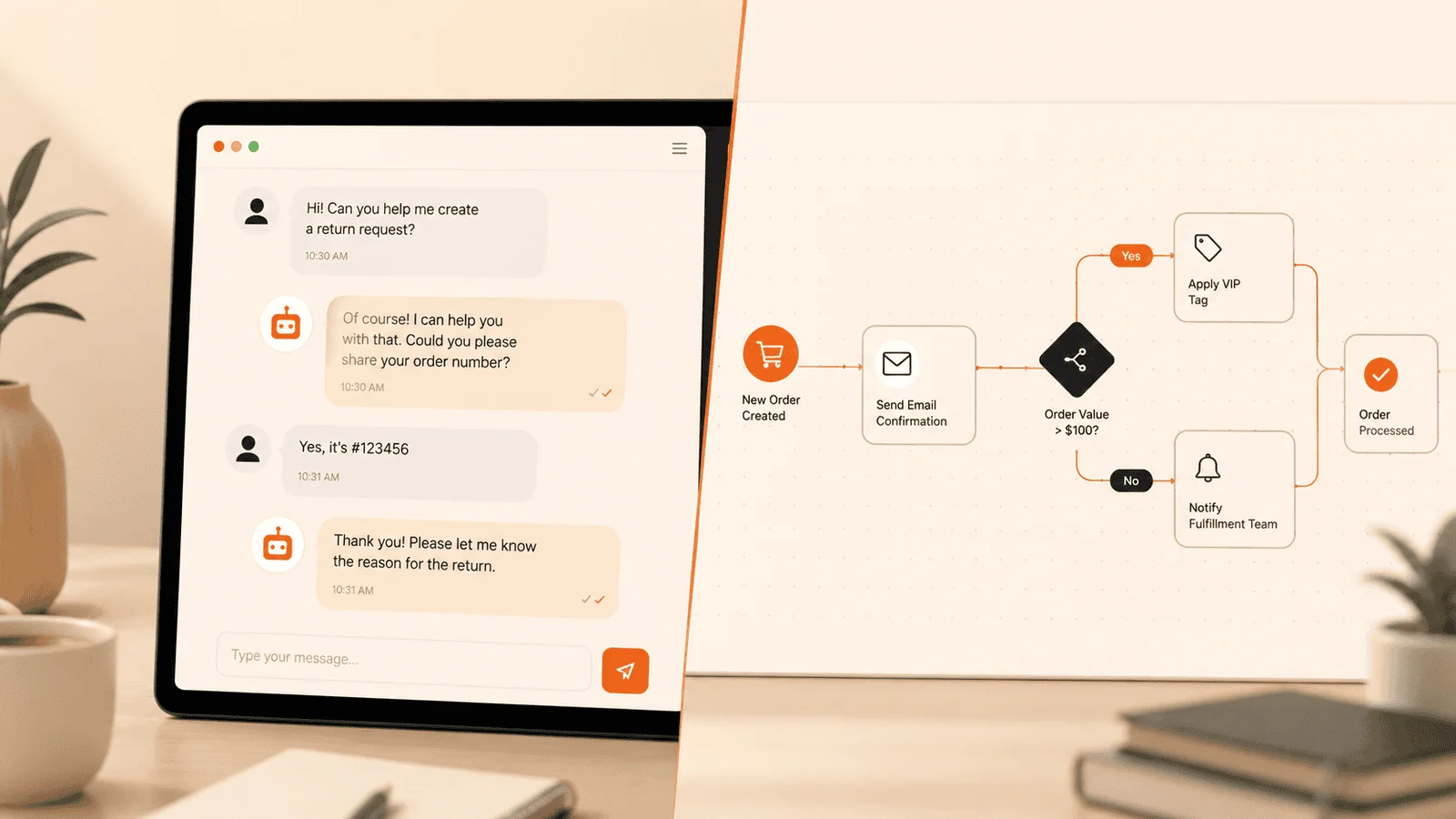

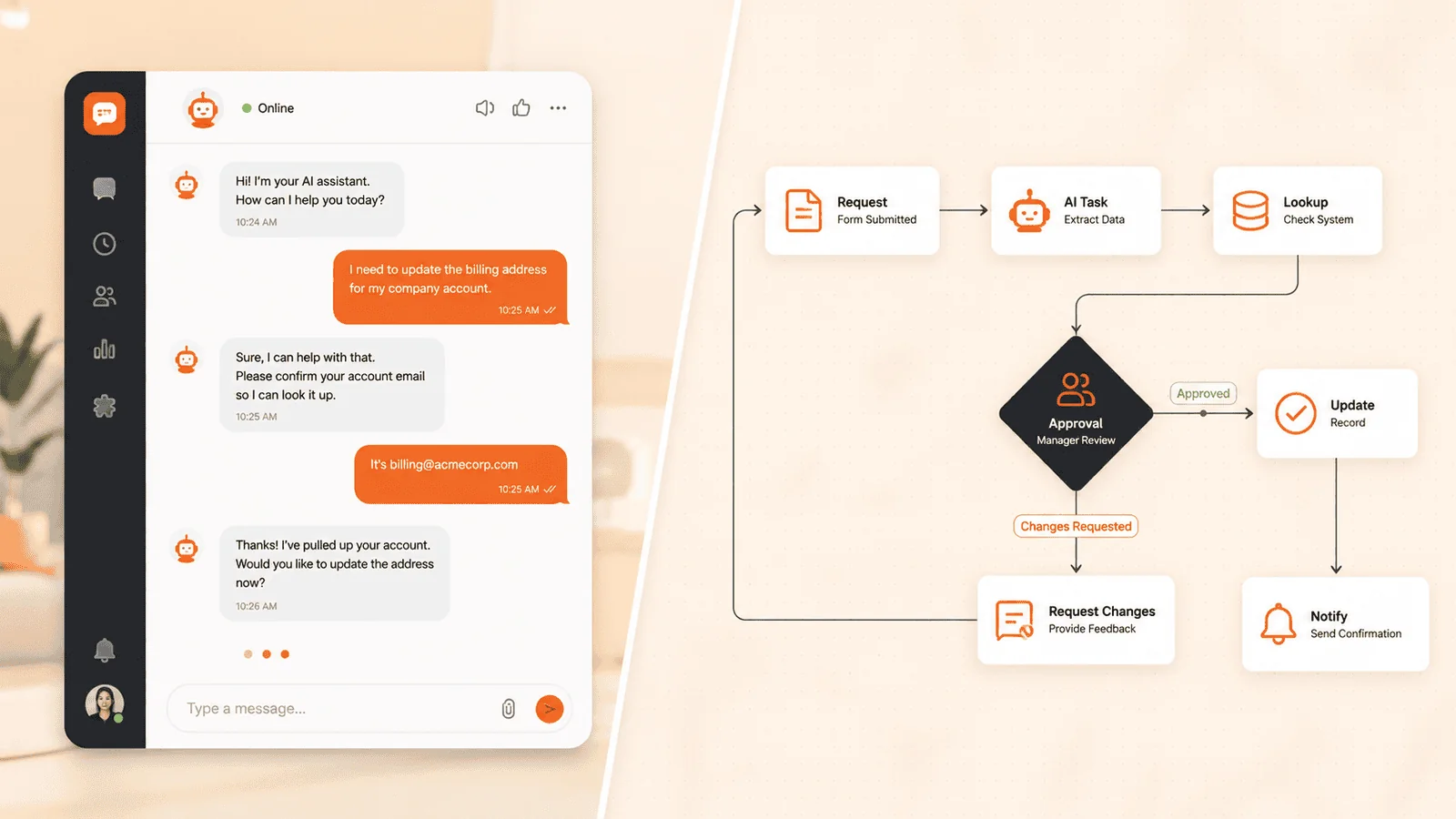
"Human in the loop" has become a common AI governance phrase, but what it means practically varies considerably depending on implementation depth.
Human in the Loop Means Meaningful Review Capability, Not Just Nominal Oversight
meaningful human-in-the-loop implementation requires actual review capability and authority to intervene, not merely nominal oversight that rubber-stamps AI output without substantive scrutiny.
Implementation Depth Varies From Full Review to Exception-Only Escalation
Human-in-the-loop implementation spans a spectrum from full review of every AI decision to exception-only escalation, with meaningfully different practical implications.
Effective Human Review Requires Adequate Time and Information to Evaluate
Human reviewers need adequate time and sufficient contextual information to meaningfully evaluate AI output, rather than superficial approval under unreasonable time pressure.
What Human in the Loop Means Beyond the Buzzword
Meaningful review capability, implementation spectrum awareness, and adequate reviewer resourcing together represent what human-in-the-loop means beyond superficial buzzword usage.
Building AI systems with meaningful human oversight? AI Strategy Consulting
How Reviewer Fatigue Undermines Human-in-the-Loop Effectiveness Over Time
Human reviewers processing high volumes of AI output over extended periods experience fatigue that degrades review quality, undermining human-in-the-loop effectiveness despite the process formally remaining in place.
This fatigue matters because organizations implementing human-in-the-loop as a governance checkbox without addressing sustainable reviewer workload risk the oversight becoming perfunctory rather than substantively meaningful over time.
Why Clear Escalation Criteria Determine What Reaches Human Review
Explicitly defined escalation criteria determine which AI decisions reach human review versus proceeding automatically, making these criteria consequential for actual oversight coverage.
How Reviewer Training on AI System Limitations Improves Review Quality
Human reviewers trained specifically on the AI system's known limitations and failure patterns provide more effective review than reviewers approaching output without this specific contextual understanding.
Why Documentation of Human Override Decisions Provides Valuable System Feedback
Documenting instances where human reviewers override AI output provides valuable feedback for improving the underlying system, beyond the immediate review function alone.
A Reasonable Way to Design Effective Human-in-the-Loop Systems
Combining adequate reviewer resourcing, clear escalation criteria, and specific system-limitation training produces more effective human-in-the-loop implementation than superficial oversight alone.
How Feedback Mechanisms From Human Reviewers Improve the Underlying AI System
structured feedback mechanisms allowing human reviewers to flag systematic AI errors, not just individual instances, improve the underlying system beyond case-by-case correction alone.
This structured feedback matters because individual override decisions, while valuable for that specific case, provide considerably more long-term value when aggregated and analyzed for systematic improvement opportunities.
Why Human-in-the-Loop Design Should Account for Reviewer Cognitive Load
Thoughtful interface design reducing unnecessary cognitive load on human reviewers improves review quality and sustainability compared to interfaces requiring excessive mental effort per review.
How Confidence Score Thresholds Determine Automatic Versus Human-Reviewed Decisions
AI systems using confidence score thresholds to route decisions between automatic processing and human review require careful threshold calibration to balance coverage and reviewer workload.
Why Human-in-the-Loop Isn't a Permanent Solution for Every AI Application
Some AI applications may reasonably reduce human-in-the-loop involvement over time as demonstrated reliability increases, though this transition requires careful, evidence-based justification.
A Reasonable Way to Evaluate Whether Your Human-in-the-Loop Implementation Is Effective
Periodically auditing actual review quality and override patterns reveals whether human-in-the-loop implementation remains effective or has degraded into perfunctory process.
Why Human-in-the-Loop Costs Should Be Honestly Factored Into AI Project Budgets
The ongoing cost of adequate human review resourcing should be honestly factored into AI project budgets from the start, rather than treated as an afterthought.
Why Distinguishing Advisory From Binding Human Review Matters for Accountability
Clarity about whether human review is advisory or binding on final decisions matters considerably for accountability and actual practical oversight effectiveness.
How Sampling-Based Review Provides a Middle Ground Between Full and No Review
Sampling-based review, examining a representative subset of AI decisions rather than every instance, provides a practical middle ground for high-volume applications.
Why Regulatory Requirements Sometimes Mandate Specific Human-in-the-Loop Standards
Certain regulated industries face specific regulatory requirements mandating particular human-in-the-loop standards, making generic implementation insufficient for compliance in these contexts.
How Independent Audits of Human-in-the-Loop Processes Validate Actual Effectiveness
Periodic independent audits examining actual human-in-the-loop process effectiveness, rather than relying on internal self-assessment alone, provide more objective validation.
How Cross-Industry Benchmarking Informs Reasonable Human-in-the-Loop Standards
Examining how comparable organizations in similar industries implement human-in-the-loop provides useful benchmarking context for calibrating your own reasonable standards.
Key Takeaways
- Meaningful human-in-the-loop requires actual review capability and authority to intervene, not nominal oversight.
- Implementation spans a spectrum from full review to exception-only escalation with different implications.
- Human reviewers need adequate time and sufficient information to meaningfully evaluate AI output.
- Reviewer fatigue over extended periods degrades review quality despite the process formally remaining.
- Clear escalation criteria determine which AI decisions reach human review versus proceeding automatically.
Frequently Asked Questions
What does meaningful human-in-the-loop require?
Actual review capability and authority to intervene, not merely nominal oversight.
Does human-in-the-loop implementation vary in depth?
Yes — it spans a spectrum from full review to exception-only escalation.
Do human reviewers need adequate time to meaningfully evaluate AI output?
Yes — without adequate time and context, review becomes superficial approval.
Does reviewer fatigue undermine human-in-the-loop effectiveness?
Yes — fatigue from high-volume review degrades quality over time.
Do escalation criteria affect what reaches human review?
Yes — defined criteria determine actual oversight coverage.
Do feedback mechanisms from reviewers improve the underlying AI system?
Yes — flagging systematic errors provides more value than case-by-case correction alone.
Should human-in-the-loop design account for reviewer cognitive load?
Yes — reduced cognitive load improves review quality and sustainability.
Do confidence score thresholds determine review routing?
Yes — careful threshold calibration balances coverage and reviewer workload.
Should human-in-the-loop involvement ever decrease over time?
Sometimes, yes — but this requires careful, evidence-based justification.
Should human review costs be factored into AI project budgets from the start?
Yes — this prevents treating adequate resourcing as an afterthought.
Does it matter whether human review is advisory or binding?
Yes — this distinction matters for accountability and practical effectiveness.
Can sampling-based review work for high-volume AI applications?
Yes — it provides a practical middle ground between full and no review.
Should human-in-the-loop processes be periodically re-evaluated as AI systems improve?
Yes — re-evaluation ensures the process still matches actual system reliability.
Do regulated industries face specific human-in-the-loop requirements?
Yes — generic implementation may be insufficient for regulatory compliance.
Should human-in-the-loop implementation details be documented for audit purposes?
Yes — documentation supports both internal accountability and external audit needs.
Do independent audits provide more objective validation than self-assessment?
Yes — they provide more objective validation than internal self-assessment alone.
Should teams pilot human-in-the-loop processes at smaller scale before full deployment?
Yes — piloting reveals practical friction that theoretical design alone might miss.
Does clear escalation path documentation help human reviewers act confidently?
Yes — documented paths reduce uncertainty about when and how to escalate.
Does cross-industry benchmarking help calibrate human-in-the-loop standards?
Yes — it provides useful context for setting your own reasonable standards.
Should reviewer performance metrics avoid pure speed-based incentives?
Yes — speed-focused incentives can undermine review thoroughness and quality.
Should organizations avoid treating human-in-the-loop as a permanent fixed process?
Yes — treating it as evolving rather than fixed supports continuous improvement.
Should human-in-the-loop design be revisited after any major AI system update?
Yes — significant updates may change what oversight approach is appropriate.
Should smaller organizations without dedicated review teams still implement human-in-the-loop?
Yes, scaled appropriately — even lightweight review beats none for consequential decisions.
Should reviewer feedback about workload sustainability be taken seriously by management?
Yes — sustainable workload directly affects the actual quality of ongoing review.
Does investment in human-in-the-loop ultimately build stronger AI system trust?
Yes — meaningful oversight builds stakeholder and user trust more than superficial process alone.
Should organizations resist the temptation to reduce human review purely for cost savings?
Yes — cost-driven reduction without evidence of readiness risks oversight quality.
Should smaller AI deployments still document their human-in-the-loop rationale?
Yes — documented rationale supports consistency even at smaller operational scale.
Does thoughtful human-in-the-loop design ultimately serve both users and organizations well?
Yes — thoughtful design protects users while supporting organizational risk management.
Should organizations avoid claiming human-in-the-loop when the process is superficial?
Yes — honest representation matters more than claiming a governance label without substance.
Does human-in-the-loop implementation ultimately reduce overall AI-related risk?
Yes — meaningful oversight reduces risk compared to fully unsupervised deployment.
Should executive leadership periodically observe actual human review sessions firsthand?
Yes — firsthand observation reveals practical reality beyond summary reporting alone.