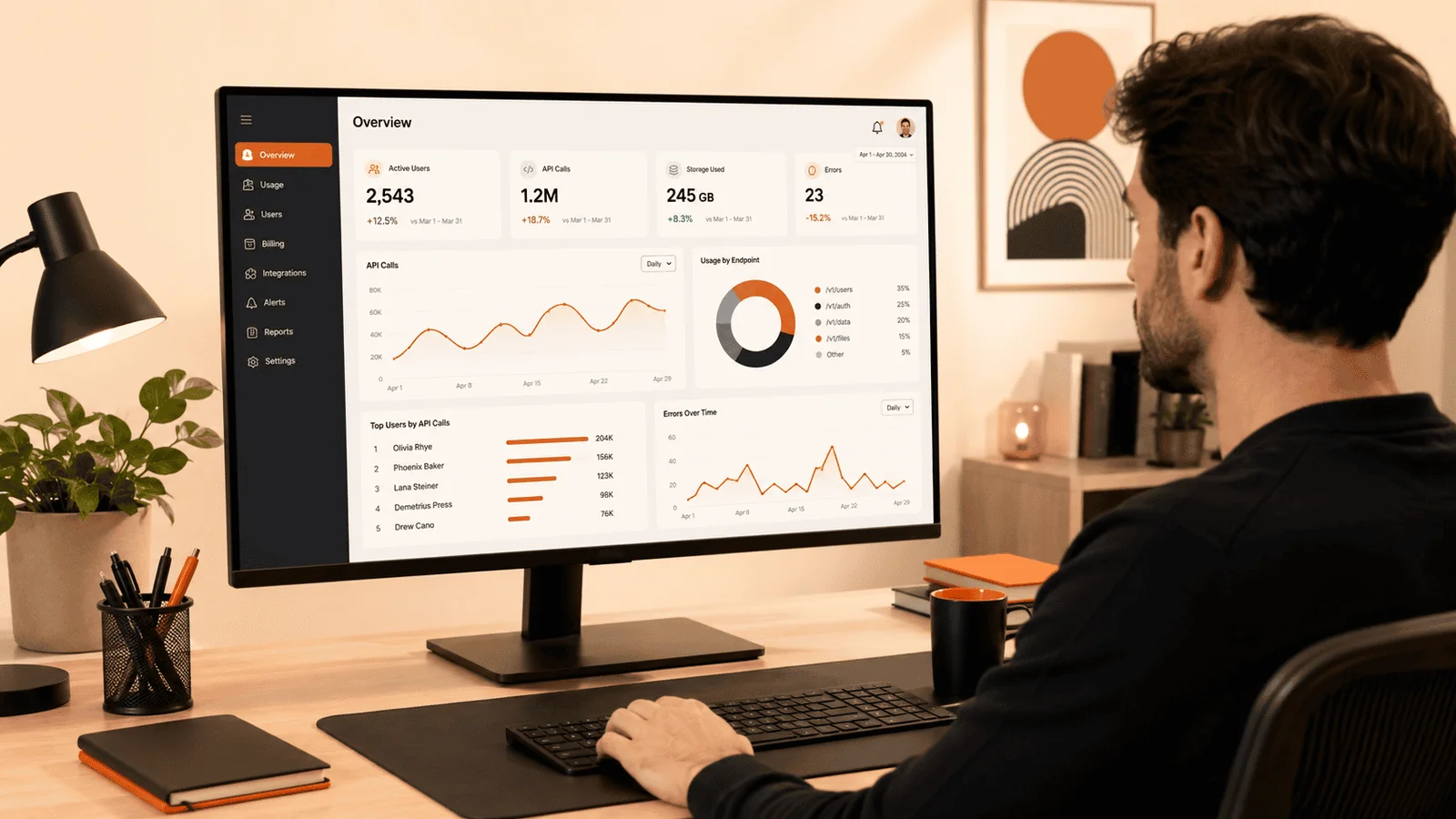

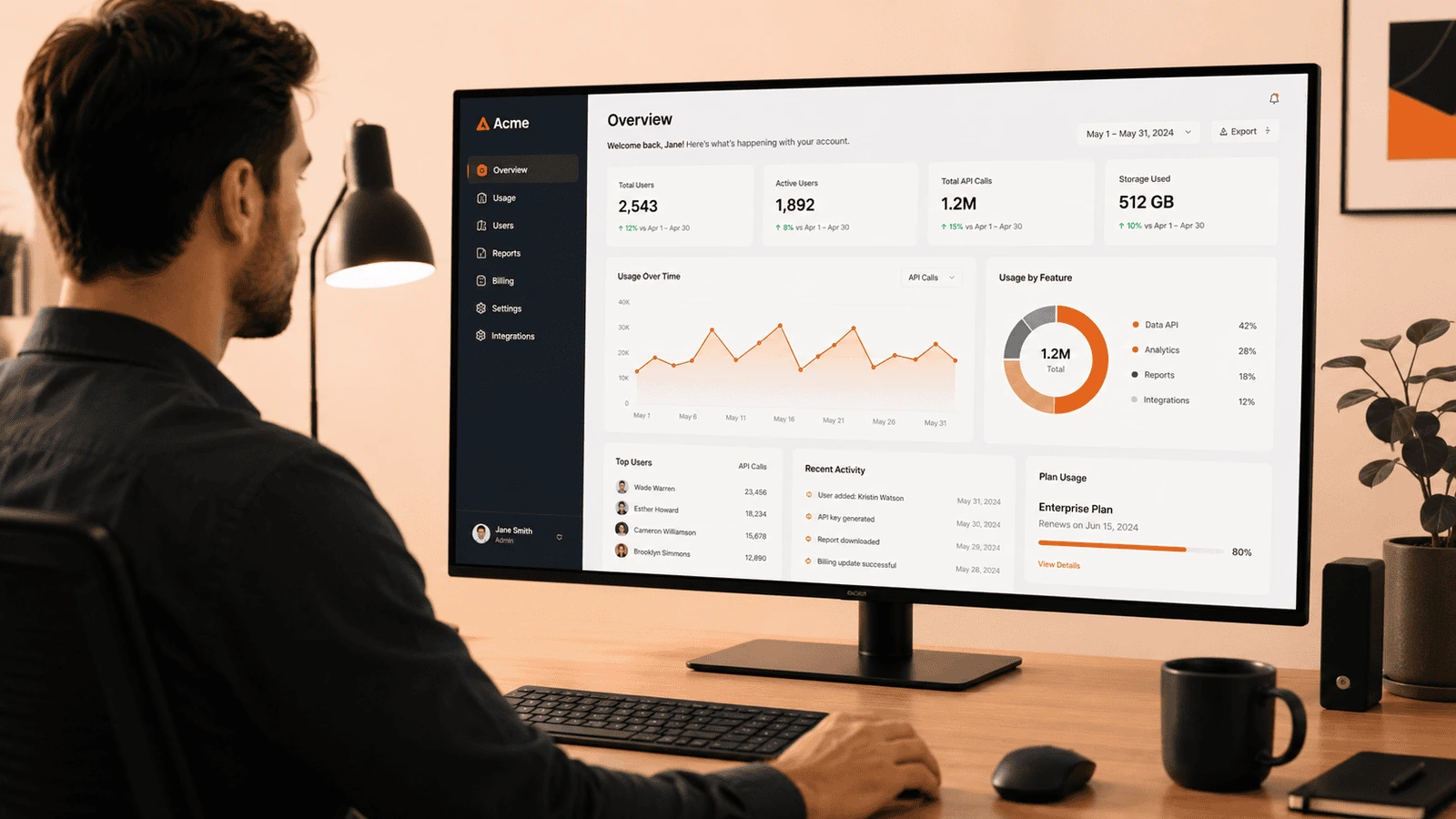
Point-of-sale software gets evaluated primarily on transaction processing speed, when capable POS software should accomplish considerably more than that narrow function alone.
Inventory Integration Should Happen in Real Time
POS software should update inventory levels immediately upon sale, not through a separate, delayed reconciliation process, since real-time accuracy prevents overselling and provides current stock visibility.
Customer Data Capture Should Feed Broader Business Intelligence
Beyond processing a transaction, capable POS software should capture customer purchase data that feeds into broader marketing and inventory decisions, not remain siloed within the transaction system alone.
Reporting Should Reveal Actionable Business Insight
POS software should provide useful reporting on sales patterns, popular products, and staff performance, not merely a transaction log requiring separate analysis to extract actionable business insight.
What Capable POS Software Accomplishes
Real-time inventory integration, customer data capture feeding broader intelligence, and actionable reporting together represent what capable POS software should deliver beyond simple transaction processing alone.
Want POS software that does more than just process transactions? Point of Sale Software
How to Evaluate Whether POS Reporting Is Actionable
Testing whether the reporting answers real business questions \— which products to reorder, which staff members drive the most sales \— directly, without requiring separate manual analysis, reveals whether reporting capability is sufficient or merely superficial.
This distinction matters because a POS system generating raw transaction data without accessible, actionable reporting effectively pushes the real analytical work back onto the business owner, undermining much of the software's potential value.
Why Multi-Location Businesses Need Consolidated POS Reporting
Businesses operating multiple locations need POS software providing consolidated cross-location reporting, not separate reports requiring manual combination, to understand overall business performance efficiently.
How Offline Functionality Protects Against Connectivity Disruption
POS software needing to process sales even during internet outages, with data syncing once connectivity returns, protects businesses from lost sales during connectivity disruption that basic cloud-only systems can't handle.
Why Employee Management Features Add Value Beyond Pure Sales Processing
POS software including employee time tracking and performance data, integrated with the sales system itself, provides more complete operational value than treating employee management as an entirely separate system.
A Reasonable Way to Evaluate POS Software Options for Your Specific Business
Testing specific workflows relevant to your business — returns processing, discount application, multi-item transactions — reveals whether a POS option handles your actual operational needs well.
How Loyalty Program Integration Adds Value Beyond Pure Transaction Processing
POS software integrated with loyalty program functionality, tracking points and rewards automatically at time of sale, provides more seamless customer experience than a separate, disconnected loyalty tracking system.
This integration matters because a disconnected loyalty system requires either manual staff effort to track separately or a awkward customer experience switching between systems, undermining much of the convenience loyalty programs are meant to provide.
Why Refund and Return Processing Deserves Careful POS Design Attention
Smooth, well-designed refund and return processing, properly updating inventory and financial records automatically, prevents the errors and inefficiency that manual or poorly designed return handling often creates.
How Tax Compliance Complexity Varies Across Business Types and Locations
POS software needs to handle tax calculation accurately across potentially varied product categories and jurisdiction requirements, a compliance capability worth verifying carefully during software evaluation.
Why Hardware Compatibility Deserves Consideration Alongside Software Capability
POS software's practical usability depends partly on compatible, reliable hardware — receipt printers, card readers, barcode scanners — making hardware ecosystem evaluation a necessary complement to pure software feature comparison.
A Reasonable Way to Evaluate POS Total Cost Beyond Software Licensing Alone
Including hardware cost, payment processing fees, and ongoing support cost alongside software licensing provides a more complete, honest total cost picture than software price alone.
Why Staff Training Investment Affects Actual POS System Value
Even capable POS software delivers less value if staff aren't properly trained to use its full functionality, making training investment a necessary complement to software capability itself.
Why Data Export Capability Matters for Long-Term Flexibility
POS software allowing straightforward data export prevents vendor lock-in that would otherwise complicate a future switch to different software, a worthwhile evaluation criterion beyond immediate functional needs alone.
Why Scalability Consideration Matters for Growing Businesses
POS software capable of scaling with business growth, without requiring a disruptive platform change, provides more durable long-term value than software adequate only for current, smaller-scale operations.
How Order Ahead and Digital Menu Integration Extends POS Value for Restaurants
Restaurant-specific POS software integrating with online ordering and digital menu display provides more complete operational value than treating these as entirely separate systems requiring manual reconciliation.
Why Split Payment and Group Transaction Handling Deserves Careful Design
Businesses handling frequent split payments or complex group transactions need POS software designed for this specific complexity, rather than software that treats every transaction as a simple single-payer scenario.
Key Takeaways
- POS software should update inventory in real time, not through delayed, separate reconciliation.
- Customer data captured at point of sale should feed broader marketing and inventory intelligence.
- Reporting should provide actionable insight, not merely a transaction log requiring separate analysis.
- Multi-location businesses need consolidated cross-location reporting, not separate reports requiring manual combination.
- offline functionality protects businesses from lost sales during connectivity disruption.
Frequently Asked Questions
Should POS software update inventory in real time?
Yes — real-time updates prevent overselling and provide current stock visibility versus delayed reconciliation.
Should POS reporting require separate manual analysis?
No — capable reporting should directly answer real business questions without requiring extra manual work.
Do multi-location businesses need special POS reporting capability?
Yes — consolidated cross-location reporting is important rather than separate reports needing manual combination.
Does offline functionality matter for POS software?
Yes — it protects against lost sales during internet outages that basic cloud-only systems can't handle.
Should POS software include employee management features?
valuable when integrated — it provides more complete operational value than a separate system.
Does loyalty program integration matter for POS software?
Yes — seamless integration provides better customer experience than a disconnected tracking system.
Does return processing deserve special POS design attention?
Yes — well-designed handling prevents errors that manual or poorly designed processing often creates.
Does tax compliance complexity vary by business type?
Yes — accurate calculation across product categories and jurisdictions is a compliance capability worth verifying.
Does hardware compatibility matter for POS software choice?
Yes — practical usability depends partly on compatible, reliable hardware ecosystem.
Does staff training affect the actual value delivered by POS software?
Yes — even capable software delivers less value without proper training on full functionality.
Does data export capability matter for POS software choice?
Yes — straightforward export prevents vendor lock-in that would complicate a future switch.
Should we consider scalability when choosing POS software?
Yes — software capable of scaling with growth avoids a disruptive future platform change.
Should restaurant POS integrate with online ordering and digital menus?
Yes — integration provides more complete value than treating these as separate, manually reconciled systems.
Does split payment handling deserve careful POS design attention?
Yes — businesses with frequent split payments need software designed for this specific complexity.
Should we test POS software with actual peak-volume transaction scenarios?
Yes — testing under realistic peak conditions reveals performance issues that light testing might miss.
Should POS software support gift card and store credit management?
Yes, when relevant — integrated handling avoids the errors and inconvenience of separate manual tracking.
Should POS software support multiple currencies for businesses with international customers?
Yes, when relevant — this capability matters for businesses serving international customer bases.
Should POS vendor support responsiveness factor into our evaluation?
Yes — responsive support matters considerably when transaction processing issues need urgent resolution.
Should we involve frontline staff in POS software evaluation?
Yes — the people using it daily often notice practical usability issues that management evaluation alone might miss.
Should POS software support custom receipt branding and messaging?
Yes, when relevant — branded receipts reinforce business identity and can include marketing messages.
Is regular POS software update and patch management important?
Yes — staying current with updates addresses security vulnerabilities and improves ongoing reliability.
Should POS software support customer-facing displays during checkout?
Yes, when relevant — visible transaction details build customer trust and reduce billing disputes.
Should we evaluate POS software vendor financial stability before committing?
Yes, for larger investments — vendor stability affects long-term support and update reliability.
Should POS software integrate with QuickBooks or other accounting platforms?
Yes, ideally — integration reduces manual bookkeeping work and improves financial reporting accuracy.
Should POS software vendors offer a trial period before purchase commitment?
Yes, ideally — hands-on trial reveals practical fit better than feature comparison alone.
Is cloud-based POS generally preferable to on-premise systems today?
For most businesses, yes — cloud systems offer easier updates, remote access, and typically lower upfront cost.